Accessing darknet markets has become a topic of significant interest as more individuals seek to understand the hidden side of the internet. These markets operate on encrypted networks, allowing users to buy and sell goods and services anonymously. While many associate darknet markets with illegal activities, the reality is more complex, encompassing a range of products and services that can be both beneficial and detrimental.
Wikipedia manages one of the best Tor sites for encyclopedic knowledge. It offers reliable news coverage without exposing readers to harmful or illegal material. The Tor Browser can take you to all kinds of questionable, dangerous, and potentially illegal content.
- Once they have a piece of valuable data, criminals can either use it themselves or sell it on one of the dark web's marketplaces.
- The structural change in the multiseller network and the resilience of the multibuyer network.
- That’s “a special-use top level domain suffix designating an anonymous hidden service reachable via the Tor network,” according to Wikipedia.
- The deep web is made up of content that search engines such as Google do not index.
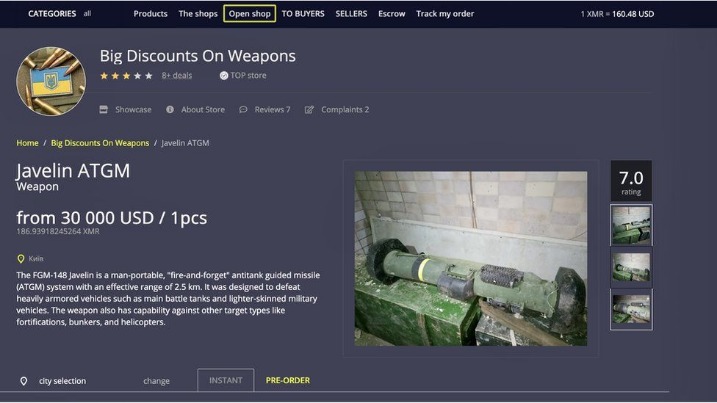
- Dark web markets are home to a billion-dollar industry dealing in illicit goods.
- By contrast, Infrastructure Attacks — which include compromises of private keys / seed phrases, wallet infrastructure, privileged access, and front-end surfaces — drove USD 2.2 billion in losses (76%) across 45 incidents, averaging approximately USD 48.5 million per incident.
Access Darknet Markets
To access darknet markets, users typically need to navigate specific software like Tor or I2P, which anonymizes their online presence. This is crucial as it protects against potential surveillance and tracking by authorities. The anonymity provided by these browsers allows for a level of freedom and privacy that's appealing to many users. However, it also raises ethical questions regarding the types of transactions that occur within these spaces.
This is particularly true for enterprise organizations working with sensitive data in key sectors like healthcare, energy, and finance. These days, it can seem increasingly difficult to protect valuable assets and data from the reaches of threat actors. Therefore, it’s likely that not all deep- and dark-web file repositories represent good intentions. While the amount of traffic is small compared to the e-commerce taking place on the open web, there is no denying that the Dark Web is a haven for bad actors and illegal e-commerce activities. Accessing and using Dark Web protocols such as Tor is not illegal; it's just been adopted as the platform of choice by many bad actors who undertake illegal activities.
The Process of Accessing Darknet Markets
- All darknets require specific software installed or network configurations made to access them, such as Tor, which can be accessed via a customized browser from Vidalia (aka the Tor browser bundle), or alternatively via a proxy configured to perform the same function.
- While an iOS version of the official Tor browser is not available, there are Tor-compatible browsers available in the App Store.
- But even if your online activity is private, security is still essential to avoid the threats that lurk online.
- To protect against guard node deanonymization he recommends obfuscating traffic by investing in Tor relays which the market site will exclusively use.
- The embrace of anonymity raises critical questions about accountability and responsibility in digital transactions.
First, one needs to install a compatible browser. The most common choice is Tor, which can be downloaded from its official site. After installation, users must access marketplaces that are hosted as hidden services. These markets typically have .onion domains, which can be found through various forums or directories dedicated to access darknet markets.
Risks Involved
While the allure of accessing darknet markets may be strong, it's essential to understand the risks involved. Many markets have been subject to law enforcement crackdowns. Transactions can lead to fraudulent activities, scams, or even compromising personal safety. Engaging in such markets can also attract legal repercussions, as many items exchanged are illegal.
The Variety of Offerings
Darknet markets cater to a diverse range of needs. Although drugs are the most commonly known products, users can find anything from digital goods, counterfeit items, and hacking services, to legitimate goods sold anonymously. This wide array of offerings makes it clear why people might want to access darknet markets for various purposes beyond mere illicit activities.
Ethical Considerations
The ethics surrounding access darknet markets are debated vigorously. While some argue that these platforms provide necessary privacy for individuals living under oppressive regimes, others contend that they facilitate crime and harm. The balance between using the anonymity offered by these markets for good versus ill is a critical discourse in the continuing evolution of internet freedom.
Conclusion
In conclusion, accessing darknet markets opens up a world of possibility, but with it comes a set of intricate challenges and dangers. Understanding the mechanics, risks, and ethical implications is vital for anyone considering diving into this obscure segment of the internet. While the potential for anonymity can be appealing, it’s paramount to approach these markets with caution and awareness of the broader consequences that may follow.