The .onion dark web has gained notoriety as a mysterious and often misunderstood part of the internet. It is a hidden layer that can only be accessed through specific software, primarily the Tor browser. This segment of the web hosts various websites that provide anonymity to both users and site operators, leading to a mixture of legal and illegal activities. Below, we delve into the intricacies of the .onion dark web, its uses, risks, and how it operates.
- Deep Search is an open-source dark web search engine designed to index and explore onion space, the hidden services within the Tor network.
- DuckDuckGo’s .onion version is a trustworthy entry point into the dark web if you want to browse safely and anonymously.
- The dark web consists mostly of services on the Tor network, but also includes some other networks like I2P, Freenet, and small peer-to-peer ones.
- People often turn to the dark web for privacy or to access information not available elsewhere, ranging from anonymous forums to censored content or specialized marketplaces.
- Web-based onion services can be accessed from a standard web browser without client-side connection to the Tor network using services like Tor2web, which remove client anonymity.
In most places, you do not do anything illegal by merely accessing the dark web. Meanwhile, it is very important to people who live in countries that restrict their internet use heavily. The only difference is that you access these sites through your computer every day and without special software. It has the public websites, social media, news sites, and everything you engage with daily.
- Community reporting improves the overall quality of indexed content
- Husain was also a part of the vpnMentor Cybersecurity News bulletin and loved covering the latest events in cyberspace and data privacy.
- The SecureDrop system uses Tor technology to provide complete anonymity for the source, while also ensuring that the data submitted to the publication is securely stored and has no association with the original source.
- Once connected, users can navigate to various marketplaces that offer a wide variety of goods, often under the protection of the anonymity provided by the Tor network.
- The Tor Browser automatically starts Tor background processes and routes traffic through the Tor network.
- Some simply don't want government agencies or even Internet Service Providers (ISPs) to know what they're looking at online, while others have little choice.
Onion Dark Web
The .onion dark web serves as a platform for individuals and organizations seeking privacy and anonymity. Unlike the surface web that is indexed by traditional search engines, the dark web requires special tools to access. Here are some key features of the .onion dark web:
- Anonymity: Users and website hosts can maintain their privacy.
- Decentralization: No single entity controls the .onion sites.
- Variety of Content: It hosts forums, marketplaces, and more, ranging from legal content to illicit services.
- Encryption: Data is encrypted, making it challenging to track activities.
Accessing the .onion dark web
To explore the .onion dark web, one must use the Tor browser, which provides the necessary tools to navigate this hidden portion of the internet. Here’s how to get started:
- Download and Install: Get the Tor browser from the official site.
- Connect to the Network: Launch the browser to connect to the Tor network.
- Visit .onion Sites: Use specific .onion URLs to access hidden services.
Uses of the .onion Dark Web
The .onion dark web features a myriad of uses, some of which include:
- Whistleblowing: Platforms that allow individuals to report misconduct without revealing their identities.
- Political Activism: Safe spaces for activists in oppressive regimes.
- Privacy-focused services: Secure communication tools and forums.
- Marketplaces: Websites that sell both legal and illegal goods.
Risks Involved
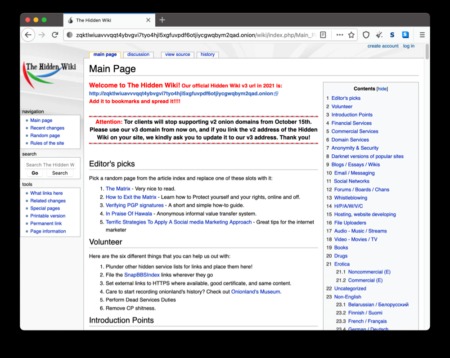
While the .onion dark web offers anonymity, it comes with inherent risks:
- Scams: Many marketplaces may be fraudulent.
- Illegal Activities: Engaging in illegal transactions can lead to severe legal consequences.
- Cybersecurity Threats: Users risk encountering malware and other security issues.
FAQs About the .onion Dark Web
- Is the .onion dark web illegal?
- Not all activities on the dark web are illegal. While some content is illicit, many users access it for legitimate reasons.
- Can my identity be traced on the .onion dark web?
- While the Tor network provides a degree of anonymity, determined authorities may still trace users with advanced techniques.
- What should I be cautious about when browsing?
- Be wary of scams, avoid illegal activities, and ensure your device is protected against malware.
In conclusion, the .onion dark web represents a complex facet of the online world, blending opportunities for anonymity with significant risks. Navigating this hidden segment requires awareness, caution, and a clear understanding of its capabilities and dangers. Whether for legitimate purposes or otherwise, users should tread carefully when exploring this elusive digital landscape.