The dark web is a part of the internet that is not indexed by traditional search engines, requiring specific tools and knowledge to access. While it has gained notoriety for illegal activities, it also serves as a space for privacy, free speech, and anonymity. This article explores how individuals can safely access the dark web, the tools required, and its implications for users.
If you plan on venturing into the dark side of the internet, take added security measures to ensure private information like your passwords, bank details, and credit card numbers are protected. Even if you are visiting this corner of the internet for legitimate reasons, it’s easy to stumble upon some bad places. Just like the surface web, the dark web is riddled with scams, phishing sites, and malware designed to exploit new users who may not know any better.
Access To Dark Web
To access the dark web, users typically rely on specialized web browsers like Tor, which anonymizes their online activity. This ensures that both the user's identity and their location remain undisclosed. The Tor network routes internet traffic through a series of volunteer-operated servers, creating layers of encryption, making it notoriously difficult to trace.
Understanding the Risks
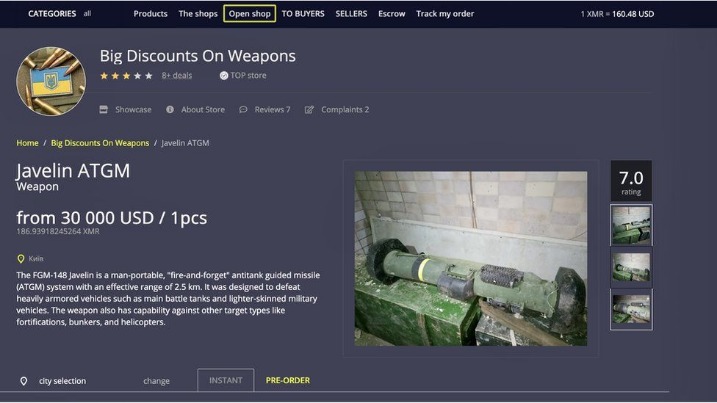
While accessing the dark web can provide valuable insights or a platform for whistleblowers, it is essential to recognize the inherent risks involved. Many websites on the dark web host illegal content, and simply visiting these sites could lead to legal repercussions, malware infections, or identity theft. Adopting best practices can help mitigate these risks.
Tools for Safe Navigation
To access the dark web securely, users should consider utilizing additional security tools. VPNs (Virtual Private Networks) add a layer of protection by masking the user's IP address. Furthermore, employing privacy-focused operating systems like Tails can prevent leaving traces on a device after use. Together with Tor, these tools greatly enhance security when delving into the dark web.
Common Uses for the Dark Web
Although it is often depicted as a refuge for cybercriminals, the dark web has legitimate use cases. Journalists, activists, and individuals in oppressive regimes utilize it to communicate anonymously and share information without fear of persecution. For these users, accessing the dark web is a matter of safety and freedom of expression.
- In the summer of 2017, a team of cyber cops from three countries successfully shut down AlphaBay, the dark web’s largest source of contraband, sending shudders throughout the network.
- DuckDuckGo is the default search engine inside the Tor browser, and once you turn on the Onionize toggle switch in the search box, you're able to use it to find dark web links.
- Then I’ll explain how to enter dark web websites.
- Just as your IP address is bounced through several layers of encryption to appear to be at another IP address on the Tor network, so is that of the website.
Legal Considerations
Before accessing the dark web, users must be aware of the legal implications in their respective countries. While simply visiting the dark web isn't illegal, engaging in illicit activities can lead to severe legal consequences. It is crucial for users to educate themselves on what is permitted and what crosses the line.
Conclusion
Access to the dark web offers both opportunities and dangers. Those interested in navigating this obscure part of the internet should prioritize security and legal awareness. By using the right tools and understanding the landscape, individuals can explore the dark web responsibly, whether for research or advocacy.