It relies on P2P connections and requires specialized tools and software. Lastly, the dark web is the portion of the deep web that is generally inaccessible and is much larger than the surface web. Some of the deep web sites do not use standard top-level domains (TLD) such as .gov, .com, .net, etc.
- Some services are genuine; you can get what you want at an agreed fee.
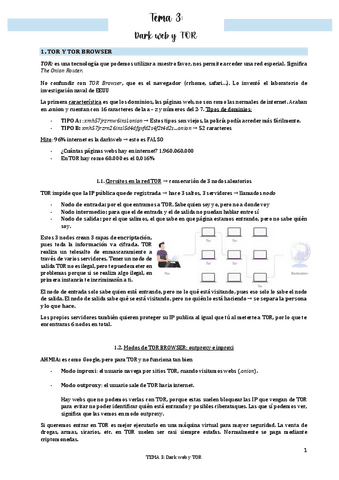
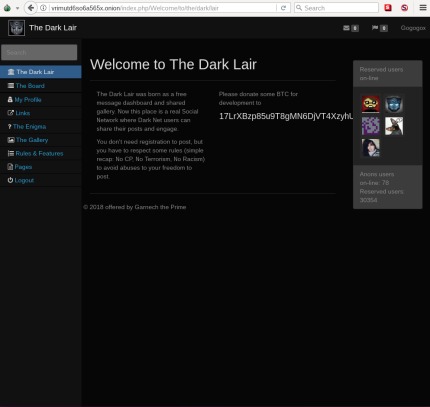
- Tor browser and Tor-accessible sites are widely used among the darknet users and can be identified by the domain ".onion".
- It is a private search engine that lets you search the regular internet via Tor.
- These insights help researchers and privacy advocates understand where Tor is most relied upon, often highlighting global patterns in censorship, surveillance, and the demand for online anonymity.
- Though people usually think of dark websites as the wrong online place, that’s not the complete truth.
The dark web has long been a topic of intrigue and controversy. While often linked to illicit activities, it serves as a veil of anonymity for many users seeking privacy. Among various navigation tools available for exploring this hidden part of the internet, the dark web search engine Onion stands out as a key resource. It provides users with access to .onion websites, which are specifically designed to be indexed by such search engines. This article delves into the functionality, importance, and the ethical implications of using the dark web search engine Onion.
But of course, these benefits can be easily extended to those that want to act outside of the constraints of laws in other explicitly illegal ways. Understanding that the nature of the internet meant a lack of privacy, an early version of Tor was created to hide spy communications. In other words, the deep web covers everything under the surface that's still accessible with the right software, including the dark web. At the dark end of the web, you’ll find the more hazardous content and activity. Everything from blog posts in-review and pending web page redesigns, to the pages you access when you bank online, are part of the deep web.
Dark Web Search Engine Onion
The dark web search engine Onion operates on the Tor network, a decentralized structure intended to enhance user privacy. The Tor network utilizes multiple layers of encryption, allowing users to browse the web anonymously. Below are essential aspects of how it functions and its significance:
How It Works
- The user connects to the Tor network using the Tor browser.
- Search queries are routed through multiple nodes, encrypting the data.
- The dark web search engine Onion aggregates results from .onion sites.
- The engine displays links to access these hidden websites.
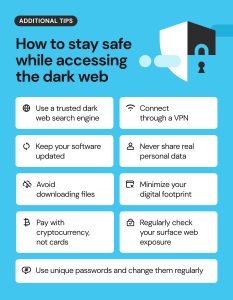
- Users should access search engines through the Tor browser, consider additional VPN protection, avoid downloading unknown files, never reuse personal credentials, and maintain separate devices or virtual machines if possible.
- They index hidden services and make them searchable.
- Surface web + limited onion
- Deep web sites may be concealed behind passwords or other security walls, while others simply tell search engines to not “crawl” them.
- Accessibility features (e.g., screen reader support) may emerge, making the dark web inclusive for visually impaired users, though bandwidth constraints pose challenges.
Key Features
- Privacy-Preserving: Offers an anonymous search experience.
- Access to Hidden Content: Links to websites not indexed by conventional search engines.
- Variety of Results: Generates results related to illegal, legal, and controversial content.
Why Use a Dark Web Search Engine?
There are various reasons individuals may choose to use the dark web search engine Onion, including:
- Privacy Concerns: Users seek anonymity for political or personal reasons.
- Research Purposes: Journalists and researchers explore subjects normally hidden from public view.
- Evading Censorship: Access to information in countries with strict internet restrictions.
Ethical Considerations
Using the dark web search engine Onion raises several ethical questions. While some users navigate the dark web for benign purposes, others may engage in illegal activities. Here are key considerations:
- Harmful Content: Easy access to illegal drugs, weapons, and other illicit services.
- Safety Risks: Engaging in transactions can potentially endanger both users and sellers.
- Legal Implications: Users may unintentionally encounter illegal activities.
FAQs
What is the difference between the dark web and the surface web?
The surface web refers to publicly accessible internet content, while the dark web consists of encrypted websites that require specific software to access, such as Tor.
Is it safe to use the dark web search engine Onion?
While it offers anonymity, using the dark web carries inherent risks. Users should be aware of potential legal and safety issues.
Can you get caught while using the dark web?
Though the dark web is designed for anonymity, law enforcement has been known to monitor activities for illegal actions. Caution is advised.
In conclusion, the dark web search engine Onion provides a unique avenue for exploring the hidden corners of the internet. With its benefits of anonymity and access to restricted content come significant ethical dilemmas and risks. Users should weigh these factors carefully before diving into the complexities of the dark web.