The Silk Road emerged as one of the most notorious marketplaces on the dark web, capturing global attention due to its controversial nature. Initially launched in 2011 by an individual using the pseudonym Ross Ulbricht, the Silk Road provided a platform for the anonymous sale of illicit goods and services, predominantly narcotics. As digital currencies like Bitcoin gained traction, the Silk Road facilitated untraceable transactions, challenging law enforcement efforts worldwide while sparking debates on the implications of anonymity in online commerce.
- Power, even digital power, tends to corrupt.
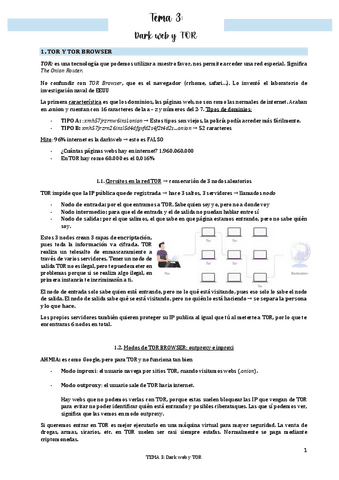
- Identities and locations of darknet users stay anonymous and cannot be tracked due to the layered encryption system.
- On 20 December 2013, it was announced that three alleged Silk Road 2.0 administrators had been arrested; two of these suspects, Andrew Michael Jones and Gary Davis, were named as the administrators "Inigo" and "Libertas" who had continued their work on Silk Road 2.0.
- Download free Avast Security to get powerful protection against malware and other security threats.
- Due to its relevance in the digital world, bitcoin has become a popular product for users to scam companies with.
Dark Web Silk Road
Created by Ross Ulbricht, the platform used Tor to hide users’ IP addresses and Bitcoin for anonymous transactions, setting the foundation for future dark web markets. The Silk Road was a pioneering online black market that primarily dealt with illegal drugs, firearms, counterfeit documents, and hacking services. Many headlines tie the dark web to child pornography with headlines such as, "N.J. man charged with surfing 'Dark Web' to collect nearly 3K images of child porn", along with other illegal activities where news outlets describe it as "a hub for black markets that sell or distribute drugs". Phishing via cloned websites and other scam sites are numerous, with darknet markets often advertised with fraudulent URLs. These markets have no protection for its users and can be closed down at any time by authorities.
The Silk Road operated under the principle of decentralization, allowing users to buy and sell goods without the oversight of traditional financial institutions. This aspect resonated with many, particularly those seeking to bypass the regulations of government agencies. Not only did it sell drugs, but participants also offered hacking services, counterfeit documents, and other illegal items, creating a vibrant albeit treacherous marketplace.
How It Functioned
Users accessed the Silk Road through anonymous browsing software known as Tor, which concealed their IP addresses and encrypted their online activity. Sellers would create listings for their products, accompanied by user reviews and ratings to establish trust among potential buyers. Transactions on the Silk Road were conducted using Bitcoin, adding a layer of privacy since it allowed users to conduct business without linking purchases to their identities.
Law Enforcement Tactics
The rise of the Silk Road did not go unnoticed. Various law enforcement agencies around the world ramped up their efforts to investigate the dark web marketplace. Undercover operations and data analysis targeted users and sellers. In 2013, the FBI successfully shut down the Silk Road, arresting Ulbricht and charging him with multiple criminal offenses, including conspiracy to commit money laundering, conspiracy to commit computer hacking, and conspiracy to traffic narcotics.
Legacy and Aftermath
Although the original Silk Road was shut down, its legacy endures. Numerous copycat sites emerged, continuing the cycle of illicit online trade. These marketplaces often learn from the mistakes of the original, implementing more sophisticated security measures and changing protocols to avoid detection. The dark web remains a dynamic environment where anonymity serves both legitimate purposes and nefarious activities.
Ethical Considerations
The existence of the Silk Road raises profound ethical questions regarding freedom, commerce, and the responsibilities of anonymity. While some argue that platforms like the Silk Road enable free trade and individual autonomy, others contend that they facilitate criminal activity and harm. The debate continues about the balance between privacy, security, and law enforcement’s need to ensure public safety.
In conclusion, the Dark Web Silk Road encapsulates a significant chapter in the saga of online marketplaces. Its impact reverberates through discussions about digital privacy, the dark web, and the future of e-commerce. As technology continues to evolve, so too will the mechanisms that underpin these anonymous spaces, for better or worse.