In recent years, Venezuela has become a focal point for discussions surrounding dark markets, driven by an unstable economy, political turmoil, and hyperinflation. These underground marketplaces have evolved as necessities for many who struggle to meet basic needs amid economic decline. Dark markets in Venezuela thrive on the exchange of goods and services often unregulated by the government, allowing individuals to acquire what they need in creative and sometimes illicit ways.
The insurance regulatory body concluded the brothers lacked the money to cover potential insurance claims, and found that much of the funds that should have been used for reserve were actually being held at HSBC. By 2010, the Chavez government turned on the brokerage industry, raiding many of the casas de bolsa. Bribery and insider trading soon became the only way to operate within the permuta system, which “degenerated into a mechanism of systemic corruption,” according to Orlando Ochoa, a Venezuelan economist. Meanwhile, because so many of the permuta swaps involved transactions taking place offshore that were difficult to regulate — and because the market was difficult to understand — it attracted unscrupulous actors.
Venezuelan authorities arrested 15 men and 10 women for their alleged involvement in manipulating the black market dollar, impacting the economy. Furthermore, funds for various acts of politically motivated violence was distributed through AirTM, one of the 18 platforms promoting the black market dollar. Venezuela's Vice-President Tareck El Aissami reported that in the Hands of Paper Operation 86 people were detained, among them Colombian nationals linked to cash contraband and exchange rate speculation against the Venezuelan bolivar. Other platforms and social media accounts have stopped publishing black market rates.
Dark Markets Venezuela
Trump told reporters that he is “getting along very well” with Venezuela following a phone call with acting President Delcy Rodríguez (White House). Machado has called for Venezuela’s democratic opposition to assume leadership of the country following the United States’ ouster of former President Nicolás Maduro (X). Laura Dogu, a former advisor to the Joint Chiefs of Staff and a career diplomat, will be the new top U.S. envoy to the country, the U.S. While Venezuela’s interim authorities vowed earlier this month that a “significant” number of detainees would be released following Maduro’s arrest, they have not published a total list; rights groups say hundreds remain detained in the country (AP). The government released more than one hundred political prisoners over the weekend, rights group Foro Penal said (X). Rubio met separately with Venezuelan opposition leader María Corina Machado later in the day; Machado said Venezuelans should be assured that change is on the way (Miami Herald).
Dark markets in Venezuela serve various purposes, including the trade of everyday goods, medical supplies, and even digital currencies. The rise of these markets has transformed the way Venezuelans conduct commerce, often leading them to rely on unconventional methods to survive. Here are some key aspects of dark markets in Venezuela:
Types of Goods Traded
- Food and Basic Necessities: With traditional supply chains disrupted, dark markets often provide access to essential items that are scarce in regular stores.
- Pharmaceuticals and Medical Supplies: Many turn to these markets for medicines and health-related products unavailable in official channels.
- Technology and Electronics: Electronics are often sold for inflated prices, and dark markets offer access to used or smuggled devices.
- Currency Exchange: “Dolares” unofficial rates are often traded in dark markets, allowing individuals to convert minimum currencies in times of economic struggle.
Payment Methods and Security
Due to the risks associated with dark markets in Venezuela, payment methods tend to be diverse:
- Cryptocurrencies: Many transactions occur using digital currencies like Bitcoin, which provide a degree of anonymity.
- Cash Transactions: Physical cash remains a preferred method despite the depreciation of the currency.
- Bartering: In some instances, goods and services are exchanged directly without monetary involvement.
Risks Involved
While dark markets in Venezuela can offer vital resources, they come with significant risks:
- It was a Christmas of smart savings and considered choices – almost every household bought into supermarkets’ premium ranges, while price remained front of mind.
- Venezuelans involved in the permuta market held fortunes at the lender worth at least 500 million Swiss francs, according to leaked banking data analyzed by journalists as part of the Suisse Secrets project.
- Likewise, the outlet reported that foreign currency flow into banking via the BCV was 20.48% higher than the $332 million sold to the financial system in May 2024.
- This is thanks to economic policies dating back more than a decade.
- The first Venezuela stock exchange was founded in 1805 as the Casa de Bolsa y Recreación de los Comerciantes y Labradores in Caracas.
- Legal Consequences: Participating in dark market transactions can lead to run-ins with law enforcement.
- Scams and Fraud: Many buyers are vulnerable to deception, especially when purchasing high-demand goods.
- Safety Risks: Engaging with unknown sellers can pose threats to personal safety.
FAQs
1. What are dark markets?
Dark markets are underground platforms for buying and selling goods, often in cash or cryptocurrencies, avoiding regulation.
2. Why do dark markets exist in Venezuela?
Economic hardship and a lack of access to essential goods have paved the way for dark markets to proliferate.
3. How do people find these dark markets?
Many rely on word of mouth, social media, and encrypted messaging apps to locate sellers and services.
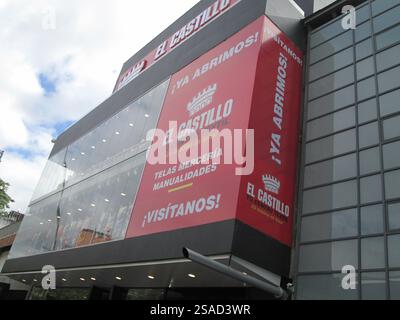
Dark markets in Venezuela have emerged as a response to the country's unparalleled crisis, enabling citizens to navigate an economy that has all but collapsed. While they offer essential goods and services, the accompanying risks and challenges underscore the precariousness of everyday life in Venezuela. As the situation evolves, these underground markets may continue to adapt, reflecting the resilience and resourcefulness of the Venezuelan populace.