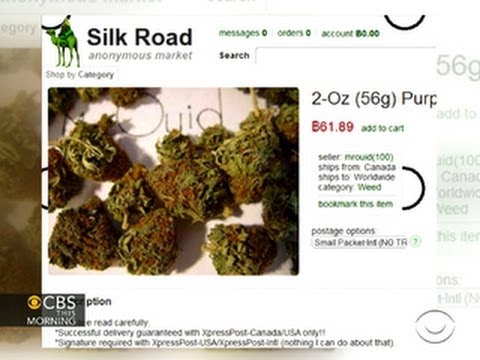
It sold online classes for couriers — the workers who would place the drugs at dead drops — that taught how to reduce risks, along with an intricate system of ratings and reviews, an internal ad market for vendors and a mechanism for dispute resolution by the administration. The illegal drug trade in the United States has evolved substantially over the last 20 years. Modeling black-market buprenorphine patterns may provide insight into areas of need for opioid dependency treatment.
The phenomenon of black market drugs has been a persistent issue worldwide, creating a complex web of challenges for societies, governments, and law enforcement. These illicit substances, traded outside the legal framework, have significant implications for public health, safety, and security. Understanding the dynamics of this underground market is essential for addressing its numerous ramifications.
When sites are shut down, vendors and purchasers simply switch to another platform, ensuring that trade remains relatively uninterrupted. Most dark web drug shipments originate from the US and Northern and Western Europe, as well as Russia. A user’s choice of platform thus usually depends on the type of drug sought. As these transactions are more insular and anonymous than in-person trade, it is more difficult to track user behaviour.
Black Market Drugs
Black market drugs encompass a wide range of illegal substances, including but not limited to:
- Stimulants: Such as cocaine and methamphetamine.
- Opioids: Including heroin and synthetic opioids.
- Hallucinogens: Like LSD and psilocybin mushrooms.
- Designer drugs: Which are often manufactured in clandestine labs.
Factors Contributing to the Black Market
Several factors contribute to the proliferation of black market drugs, including:
- While this suggests that areas with greater percent white experience greater black-market demand, higher demand among white buprenorphine users does not mean that treatment need is greater among whites.
- Data about the street price of diverted prescription opioid medications can be useful to policymakers and public health officials, but timely and accurate data are rarely available publicly.
- While the StreetRx dataset encompasses all 50 states and 665 counties, the Midwest and West regions are less represented in this dataset.
- Other times, people like Rossi have extra insulin that they’ll donate to people who can’t access it.
- Demand: High demand for certain drugs fuels their illicit production and distribution.
- Lack of access: Legal restrictions can lead individuals to seek alternatives outside the legal market.
- Economic incentives: The potential for substantial profits encourages illegal manufacturing and trafficking.
Impact of Black Market Drugs
The impact of black market drugs is vast and multifaceted:
- Health risks: Users often face unregulated substances that can lead to health crises.
- Crime rates: The trade in illicit drugs is frequently linked to organized crime.
- Economic repercussions: Governments may incur high costs in law enforcement and healthcare related to drug abuse.
Addressing Black Market Drugs
To mitigate the issues surrounding black market drugs, comprehensive strategies are needed, such as:
- Education: Raising awareness about the risks associated with illicit substances.
- Policy reform: Revising drug laws to reduce penalties for non-violent offenders.
- Access to treatment: Expanding services for addiction treatment.
FAQs about Black Market Drugs
What are black market drugs?
Black market drugs are illegal substances traded outside government regulation, often associated with various health and legal risks.
Why do people turn to black market drugs?
Individuals may seek black market drugs due to a lack of access to legal alternatives, social influences, or the allure of the high-risk lifestyle.
How do black market drugs affect society?
They contribute to increased crime, public health challenges, and economic burdens on healthcare and law enforcement systems.
What can be done to combat the black market drug trade?
Effective strategies include education, policy reform, and increasing access to mental health and drug rehabilitation services.
In summary, the battle against black market drugs requires a multifaceted approach that combines education, policy changes, and treatment options. Addressing the root causes can lead to a healthier society and decrease the allure of the illicit drug trade.