The darknet database market has emerged as a significant aspect of the underground internet, facilitating the exchange of sensitive and illicit information. With the proliferation of cybercrime and data breaches, various marketplaces have sprung up, where hackers and criminals can buy and sell stolen data, including personal information, financial records, and corporate secrets. This article delves into the intricacies of the darknet database market, exploring its components, risks, and the measures users can take to navigate this hidden world safely.
- There are also markets on which not only data but also other illegal goods are traded.
- Being aware of these threats is the first step in ensuring personal safety while exploring these markets.
- Hydra was the largest darknet marketplace, processing an estimated $5 billion in cryptocurrency transactions.
- A dark web market (or darknet marketplace) is an anonymous online marketplace accessible only through the Tor browser.
The landscape was defined by the massive Bybit breach in February, which accounted for USD 1.46 billion (51%) of all funds stolen in 2025. Funds were routed between IRGC‑controlled wallets, offshore intermediaries, and domestic Iranian exchanges — integrating sanctioned flows into Iran’s broader crypto economy. The Zedcex case reflects a broader pattern in which exchange‑branded crypto infrastructure operates offshore while maintaining functional ties to sanctioned economies. That share rose sharply in 2024, when IRGC‑linked volume increased to around USD 620 million (or nearly 90% of total flows) before declining to approximately USD 410 million in 2025 as non‑IRGC‑linked activity increased.
In the second week of the trial, prosecutors presented documents and chat logs from Ulbricht's computer that, they said, demonstrated how Ulbricht had administered the site for many months, which contradicted the defense's claim that Ulbricht had relinquished control of Silk Road. Prosecutors alleged that Ulbricht paid $730,000 to others to commit the murders, although none of the murders actually occurred. IT security experts have doubted the FBI's claims because technical evidence suggests that no misconfiguration that could cause the specific leak was present at the time. The FBI has claimed that the real IP address of the Silk Road server was found via data leaked directly from the site's CAPTCHA and it was located in Reykjavík, Iceland. In June 2011, Gawker published an article about the site which led to an increase in notoriety and website traffic.
Darknet Database Market
It’s not as massive as Abacus, but quality’s on point—vendors deliver, and the community’s buzzing on Dread about it. I’ve poked around a bit; it’s not the biggest, but it’s reliable—vendors stick around, and the community’s chatty about it on forums. No fraud or opioids here; they’re all about keeping it simple and sustainable, which I vibe with after seeing too many sketchy deals go south.
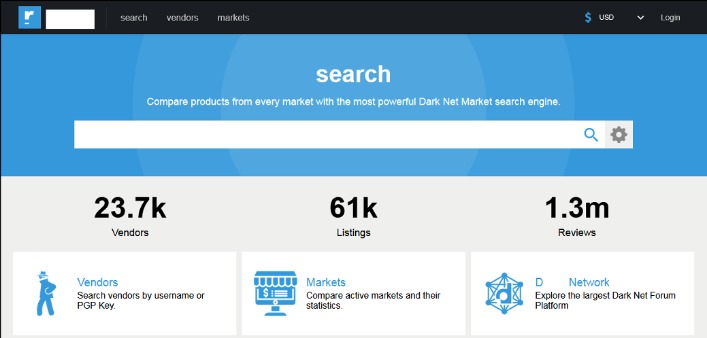
The darknet database market operates on an anonymized network that is not indexed by conventional search engines, creating a refuge for illicit activity. Here are some of the key features and characteristics of this market:
- Accessibility: Users typically access the darknet using specific software like Tor, which hides their IP addresses and allows for anonymous browsing.
- Varied Offerings: The market features diverse databases, ranging from hacked emails and credit card information to complete medical records and proprietary company data.
- Payment Methods: Transactions are primarily conducted using cryptocurrencies like Bitcoin or Monero to maintain user anonymity and protect the sellers’ identities.
Types of Data Commonly Traded
Within the darknet database market, several types of data are commonly available:
- Vendors sell stolen credentials using cryptocurrency payments.
- Signing up is simple, and both the dark and clear web can access the platform.
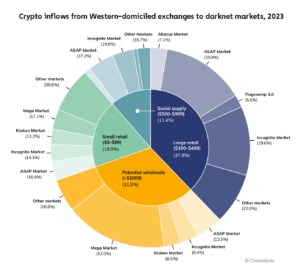
- This “fast maturity” pattern is essential for threat intelligence because it can rapidly shift where the highest-value datasets and vendors concentrate.
- It is common to hear news reports about large data breaches, but what happens once your personal data is stolen?
- Instead of one dominant market, you now have dozens of smaller ones.
- Personal Identifiable Information (PII): Names, addresses, Social Security numbers, and other personal data.
- Financial Records: Credit card details, banking information, and transaction histories.
- Corporate Data: Secret business information, intellectual property, and employee records.
Risks Involved
While the darknet database market may attract users for various reasons, it comes with significant risks:
- Legal Consequences: Engaging with or purchasing from the darknet is illegal in many jurisdictions and can lead to severe penalties.
- Scams and Fraud: Many vendors may not deliver the promised data, or the information provided could be outdated or faulty.
- Exposure to Malware: Downloading files from the darknet can expose users to malicious software and hacking attempts.
Best Practices for Navigating the Darknet
For those who choose to explore the darknet database market, adhering to best practices can help mitigate some risks:
- Use a VPN: A Virtual Private Network can add an extra layer of security by masking your IP address.
- Stay Informed: Research the marketplace and read reviews to identify trustworthy vendors.
- Limit Exposure: Use separate devices for darknet activities and avoid mixing personal information with darknet accounts.
FAQs
What is the darknet?
The darknet is a part of the internet that is not indexed by traditional search engines and requires specific software to access. It is often associated with illegal activities.
Is it safe to buy data from the darknet?
No, purchasing data from the darknet poses significant legal and financial risks and is not recommended.
How do hackers acquire data for the darknet database market?
Hackers often obtain data through data breaches, phishing attacks, and exploiting vulnerabilities in systems.
The darknet database market remains a complex and precarious environment characterized by a blend of opportunity and danger. Awareness of its workings and the inherent risks can provide valuable insights for understanding this shadowy realm of cyberspace.