In recent years, the emergence of dark markets in various regions has garnered significant attention, and Bosnia is no exception. As the internet continues to evolve, so do the ways in which illicit goods and services are bought and sold. Bosnia, with its unique socio-political context, presents a fertile ground for the proliferation of these underground marketplaces.
Dark Markets Bosnia
Just like on the regular internet, phishing is a big problem on the dark web as well. This use of cryptocurrency makes transactions fast and secure, and it supports the overall goal of privacy on the dark web. This deepens the ethnic division in the country and obstructs the decision-making process. Assistance provided to victims of various forms of organized crime, including initiatives such as witness protection programs. Within the country, Bosnian women and girls are trafficked for sexual exploitation in private residences and motels.
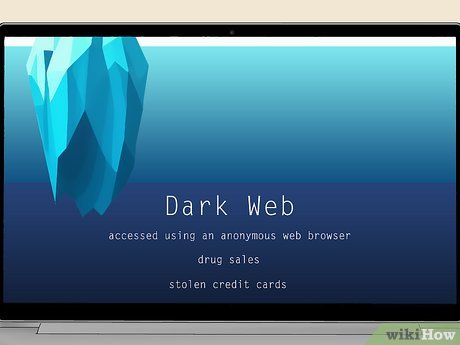
The concept of dark markets refers to online platforms that operate in the shadows of the internet, often dealing with illegal commodities like drugs, weapons, or stolen data. Bosnia's dark markets have become a growing concern for law enforcement and the general public alike. Below, we explore the landscape of dark markets in Bosnia, examining their operation, the goods traded, and the implications for society.
Characteristics of Dark Markets in Bosnia
- Anonymity: Users often utilize encrypted methods to maintain their privacy.
- Cryptocurrency Payments: Transactions are frequently conducted using cryptocurrencies to further obscure the identity of both buyers and sellers.
- Decentralization: Many of these markets are not tied to a specific geographic location, making them difficult to shut down.
Types of Goods and Services
Bosnia's dark markets cater to a variety of illegal needs. Some of the most common categories include:
- Drugs: A wide range of narcotics, including cannabis, methamphetamines, and synthetic drugs.
- Weapons: Illicit firearms and ammunition traded with little regulation.
- Stolen Data: Personal information and credit card details hacked and sold for financial gain.
- Counterfeit Goods: Fake luxury items and other fraudulent products.
Impact on Bosnian Society
The ramifications of dark markets Bosnia are profound, affecting not only the individuals directly involved but also the broader community:
- Increased Crime Rates: The trade of illegal goods contributes to a rise in criminal activities.
- Public Safety Concerns: The availability of weapons and drugs raises the risk of violence and health issues.
- Economic Consequences: Legitimate businesses may suffer due to the competition posed by these unregulated markets.
Frequently Asked Questions
What is a dark market?
A dark market is an online platform where illegal goods and services are traded, often anonymously.
Is it legal to participate in dark markets?
Participating in dark markets is illegal and can lead to severe legal repercussions.
- However, this estimate appears to be low, as money laundering is usually estimated at around 2–5% of GDP.
- The Whistleblower is based on the story of Kathryn Bolkovac, a UN peacekeeper who uncovered a sex trafficking scandal in post-war Bosnia.
- Bosnia&Herzegovina is in the process of transformation from a previously self-managed economy to a modern market economy.
- For more information about tourism in Bosnia and Herzogovina, visit Tourism BiH.com.
- If tourism is a form of storytelling, then it requires the efforts of locals and visitors to tell and interpret the story.
How do dark markets operate?
They operate on the dark web, using encryption and anonymous currencies to facilitate transactions without detection.
Conclusion

The landscape of dark markets Bosnia illustrates the challenges faced by modern societies in balancing technology and law enforcement. As these platforms continue to evolve, it is crucial for authorities and communities to stay informed and proactive in combating their effects. The fight against dark markets is not just about dismantling illegal operations; it's about safeguarding the future of societal integrity and public safety.