The digital landscape has transformed the way various goods and services are exchanged, including those operating outside the law. In Mexico, the phenomenon of dark markets has gained traction, particularly as the country deals with issues related to organized crime, corruption, and poverty. These clandestine online platforms allow users to buy and sell illegal goods ranging from drugs to firearms, all while remaining largely anonymous. As a result, understanding the dynamics of dark markets Mexico is crucial for grasping the true challenges facing the nation.
In a region where 50 percent of the population already makes its living in the informal market, it was perhaps of little surprise that black markets exploded in 2020 amidst a worldwide contagion. He expects that sooner or later the whole market will be in the hands of organized crime. MEXICO CITY — When a drug cartel came calling at a store selling vapes in northern Mexico, the owners knew they were powerless. Organized crime in Mexico is tightening its grip on the vape market, a $1.5 billion industry By the way, at markets in Mexico City, unlike those in Southeast Asia or Morocco, for instance, you’re not expected to bargain.
Dark Markets Mexico
Dark markets Mexico are part of a broader international trend that has seen illicit commerce flourish in online environments. These platforms often utilize cryptocurrencies for transactions, reinforcing user anonymity while complicating law enforcement efforts. With the rapid adoption of the internet and technology, these virtual marketplaces serve as a refuge for those seeking goods that are otherwise difficult to obtain.
- When you start seeing skeletons, you’ll know you’ve found the witch market.
- This channel is related to cronos-chk.com, an online doxing service that reveals information about Mexican citizens.
- These companies benefit from extensive infrastructure, strong financial resources, and established customer bases, allowing them to maintain competitive advantages in the market.
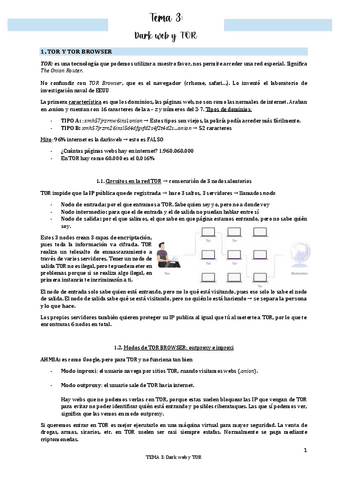
- But overwhelmingly, it is the dark web, a collection of thousands of websites that can only be accessed with special browser software, which has become the nexus for the global crime as a service market.
The Scope of Dark Markets in Mexico
Mexico's dark markets are diverse, offering a wide array of illegal products and services. From narcotics to hacking services, these markets cater to a multitude of demands. The presence of established drug cartels has only amplified the functioning and reach of these marketplaces. Many transactions happen in the shadows, often facilitated by a network of sellers and buyers who utilize encrypted communication for safety and anonymity.
- Machine learning is another big player here—it helps by analyzing data to predict and identify suspicious behavior much faster than a human ever could.
- Watch our cyber team share their key insights from their investigations into the biggest dark web trends in 2022.
- You won't find drugs here, but you will find tons of credentials, RDP access, CVVs, and records stolen using malware.The platform works with data collected by well-known malware such as Lumma, RedLine, Raccoon, Vidar, and Aurora.
- Regularly monitoring the top dark web markets gives your SOC team an insider’s view of the latest malware and phishing kit trends, plus real-time knowledge related to relevant compromised PII.
- Based on our observations from analysis on dark web data using Lunar, we’ve identified the top 7 marketplaces on the dark web in 2025.
The Players Behind Dark Markets
The individuals orchestrating these underground transactions are often affiliated with organized crime groups. These groups not only supply illegal substances but also maintain a level of control over the operations of various dark markets Mexico. Frequent reports indicate that the profits generated from these markets can be substantial, contributing to the funding of violent crime and corruption in the country.

Risks and Challenges
Engaging with dark markets Mexico is fraught with risks. Buyers and sellers face numerous challenges, from the potential for scams and fraud to legal repercussions. Law enforcement agencies are increasingly focusing on dismantling these networks, leading to occasional major busts that can disrupt the flow of goods. Nevertheless, the resilient nature of these markets often allows them to re-emerge quickly, adapting to new security measures and enforcement strategies.
Conclusion
The rise of dark markets Mexico poses significant challenges to both the government and society at large. Addressing this issue requires a multifaceted approach, including stronger law enforcement and educational initiatives aimed at preventing illicit online transactions. As technology continues to evolve, so too will the strategies and operations of these clandestine markets, making it imperative to remain vigilant in understanding the implications of their existence.