Bitcoin has revolutionized the way people conduct transactions online, serving as a form of decentralized currency that offers anonymity and security. One of the most intriguing and controversial uses of Bitcoin is its relationship with darknet markets. These markets operate in the shadows of the internet, facilitating the buying and selling of goods and services that are often illegal or prohibited. This article explores the complex world of Bitcoin darknet markets, shedding light on their operations, risks, and implications.
Bitcoin Darknet Markets
Darknet markets are online platforms that use encryption and anonymity tools to allow users to engage in transactions without being easily tracked. These markets often accept Bitcoin as the primary currency due to its pseudonymous nature, which allows buyers and sellers to obscure their identities. The appeal of these markets lies in the wide range of products available, from illegal drugs to hacking services, and digital goods.
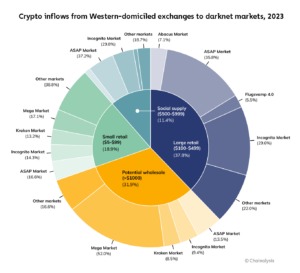
Since its inception, Abacus Market has gradually increased its market share in the Western DNM ecosystem. Abacus’s exit follows the June 16, 2025 law enforcement seizure of Archetyp Market, marking the latest in a series of shutdowns in the Western DNM ecosystem. TRM Labs assesses that the marketplace’s operators have likely conducted an exit scam, shutting down operations and disappearing with users’ funds. Tune in as CoinDesk runs down action in the crypto market and some of the most important recent industry development. As novel as this darknet wallet may be in 2025, it doesn’t seem too likely to have much of an impact on Bitcoin.
How Do They Operate?
The functioning of Bitcoin darknet markets is largely dependent on the use of the Tor network, which helps users maintain their anonymity by routing their connections through multiple servers worldwide. To access these markets, users must download the Tor browser and seek out specific URLs that are usually shared via forums or private groups. Vendors list their products, complete with descriptions and prices, enabling users to browse and make purchases with Bitcoin.
Once a transaction is made, Bitcoin provides a level of security that traditional payment methods cannot offer. Buyers often communicate with sellers through encrypted messaging systems, and transactions are finalized using Bitcoin’s blockchain, ensuring that once funds are transferred, they are nearly impossible to trace back.
Risks and Challenges
While Bitcoin darknet markets offer unique opportunities, they also come with significant risks. Users face the possibility of fraud, as vendors may not deliver their promised goods. Law enforcement agencies around the world actively monitor these markets and are constantly working to shut them down, leading to the frequent closure of prominent marketplaces. Moreover, the use of Bitcoin, although providing anonymity, is not foolproof. Users can inadvertently expose their identities through poor operational security or by reusing addresses.
Legal Implications
The legal implications surrounding Bitcoin darknet markets are contentious. Many jurisdictions consider the buying and selling of illegal substances or services to be criminal activities. Participants in these transactions can face severe legal consequences, ranging from fines to imprisonment. Moreover, the dark web's evolving nature complicates regulation, as new markets continually emerge even after older ones are taken down.
The Future of Bitcoin Darknet Markets
- “The assets were previously seized from Larry Dean Harmon, the operator of the Helix mixing service, which processed transactions involving over $300 million worth of cryptocurrency from 2014 to 2017,” it further explains.
- The resulting dataset consists in transactions between entities, that group together clusters of Bitcoin addresses.
- The forfeited property includes large amounts of cryptocurrency, cash holdings and real estate, including a luxury home in Ohio acquired during the period Helix was active.
- One group includes all pairs that meet outside any DWMs, which includes case (i) and case (ii), and the other group includes users that meet inside a DWM, described by case (iii).
- In panels (f, g), we show the PDF of the total money received by each seller and the total money sent by each buyer, respectively.
As technology continues to evolve, so too do the tactics of both vendors and law enforcement. The rise of decentralized finance (DeFi) and advancements in blockchain technology could shape the future of Bitcoin darknet markets. While the anonymity of Bitcoin plays a crucial role in these markets, there is a growing trend toward privacy-focused cryptocurrencies that may further complicate the landscape.
In conclusion, Bitcoin darknet markets represent a fascinating yet dangerous intersection of technology, commerce, and crime. As the ongoing battle between illicit online activities and regulatory efforts continues, the dynamics of these markets will likely shift, presenting both challenges and innovations that will require ongoing attention.