One option is for customers to park in a dedicated pickup area directly outside a dark store. It may decide to convert its retail location into a dark store, so it could provide quicker local deliveries and increase the selection it offers, since there’s more room for inventory without the need for customer-facing spaces. A brand with a brick-and-mortar store selling footwear to customers in person and online might learn that the majority of its sales are online. There are also dark kitchens, or restaurant extensions that only prepare online orders. Many types of companies use this business model to fulfill online orders, including businesses in the retail sector selling consumer goods, clothing brands, and grocery stores. Businesses either build new dark stores in strategic locations or convert existing retail stores to operate as non-customer-facing fulfillment hubs.
Buyers can purchase a range of digital goods and services, which include illicit drugs, software and malware, and services related to fraud. It is undeniable that a regional counter-darknet cybercrime strategy is needed that improves cross-border cooperation, law enforcement capacity and results”, noted Jeremy Douglas, UNODC Regional Representative for Southeast Asia and the Pacific. Precursor chemicals to produce synthetic and semi synthetic drugs are also traded on darknet sites catering to the region. Cryptocurrencies are the payment method of choice, and while law enforcement try to identify the criminal end-users, the use of crypto-mixers, tumblers, or laundry services break the link between the initial purchase of cryptocurrencies and the final payment destination.
The rise of digital technology has changed many aspects of daily life, including the way illegal goods and services are traded. In the Philippines, dark markets have emerged, navigating the complex landscape of the internet and making illicit transactions more accessible than ever. This article explores the landscape of dark markets Philippines, shedding light on their operations, risks, and implications for society.
- Not only are dark markets allowing cybercriminals to buy and sell illegal goods, but they also now provide services that mirror reputable e-commerce sites.
- Businesses either build new dark stores in strategic locations or convert existing retail stores to operate as non-customer-facing fulfillment hubs.
- 3.8 Philippines Dark Store Market Revenues & Volume Share, By Target Audience, 2021 & 2031F
- If foreign currency is difficult or illegal for local citizens to acquire, they will pay a premium to acquire it.
- This encryption ensures that messages cannot be intercepted and read by third parties, including law enforcement.
- Both physical goods, such as drugs, and digital goods, such as software and credit cards, are sold on the ToRReZ Market.
Dark Markets Philippines
Dark markets in the Philippines refer to online platforms that operate on the dark web, where users can buy and sell illegal items such as drugs, firearms, stolen data, and counterfeit goods. These marketplaces are often hidden from standard search engines and require specific software to access. The allure of anonymity and the vast range of illicit products have attracted a growing number of users.
How Dark Markets Operate
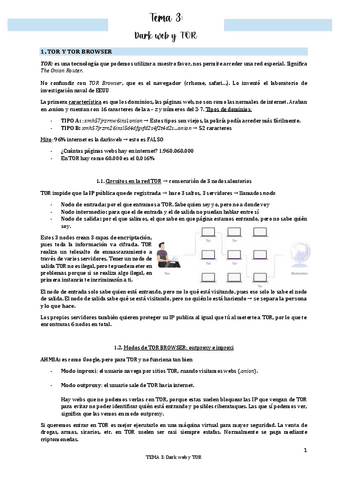
- Accessing the Markets: Users typically need specialized software like Tor to access these dark markets. This software anonymizes their identity and location.
- Transaction Methods: Most transactions are conducted using cryptocurrencies, such as Bitcoin or Ethereum, to maintain anonymity and avoid detection.
- Seller Ratings: Dark markets often feature rating systems where buyers can review sellers, adding a level of trust and accountability.
Notable Dark Markets in the Philippines
While many dark markets operate globally, some have specific relevance in the Philippines. Examples include:

- Silk Road 3.0: An unofficial continuation of the original Silk Road, it has found users in the Philippines.
- AlphaBay: Although shut down, its legacy continues, inspiring new platforms among local users.
Risks Associated with Dark Markets
The use of dark markets Philippines carries significant dangers:
- Legal Consequences: Participating in illegal transactions can lead to severe legal penalties, including imprisonment.
- Scams and Fraud: The anonymous nature of transactions increases the likelihood of encountering dishonest sellers or scams.
- Health Risks: Purchasing drugs from unreliable sources poses substantial health risks due to the potential for contamination or misrepresentation of products.
Government Response
The Philippine government has been actively combating the emergence of dark markets:
- Cybercrime Units: Law enforcement agencies have established specialized units to monitor and investigate dark web activities.
- Public Awareness Campaigns: Efforts are made to educate the public about the dangers and implications of engaging in dark market transactions.

Frequently Asked Questions
Q: Are all transactions in dark markets illegal?
A: Yes, dark markets primarily facilitate illegal transactions, although some may also sell legal goods.
Q: Can I get caught using a dark market?
A: Yes, law enforcement agencies have various methods to track users, and engaging in these activities poses legal risks.
Q: What can I do to stay safe online?
A: Avoid engaging in illegal activities, use secure passwords, and be wary of sharing personal information online.
In conclusion, the dark markets Philippines present a complex and risky environment shaped by anonymity, technology, and illegal commerce. While they may offer a range of goods and services, the dangers involved—both legal and personal—are substantial. Awareness and education are crucial in navigating this shadowy aspect of the digital economy.