The dark web has long fascinated and terrified those who come across its shadowy expanse. While some perceive it as a realm of illicit activities and secrets, others see it as a haven for privacy and free expression. Dark web sites cater to a variety of needs and interests, some of which delve into the darker aspects of human nature. This article explores several prominent dark web sites, shedding light on their capabilities and implications.
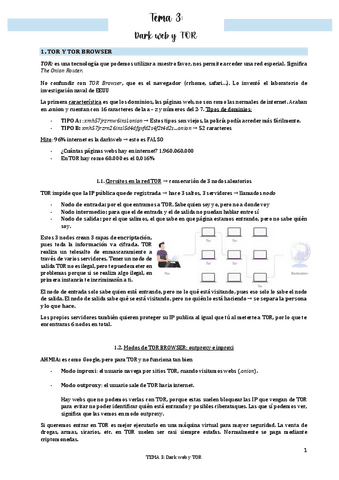
Deep web refers to anything on the internet that is not indexed by and, therefore, accessible via a search engine like Google. Start by downloading the Tor browser, which is necessary to access dark web sites. The dark web is a part of the internet that isn’t indexed by search engines. Specialist Clearweb news sites such as DeepDotWeb and All Things Vice provide news coverage and practical information about dark web sites and services; however, DeepDotWeb was shut down by authorities in 2019. There are several websites which analyze and monitor the deep web and dark web for threat intelligence.
- In the Dark Web, a service like this can be very helpful as it provides users with a way to verify the trustworthiness of other users.
- Still wondering what .onion sites are and how they work?
- Revisit old links, monitor feedback from the community, and keep abreast of warnings or disputes.
- Although the social application is known for collecting data on its platform, it does not like sharing the information with others.
- Staying cautious is essential when interacting with content on the dark web, as illegal activities are prevalent.
- A common approach was to use a digital currency exchanger service which converted bitcoin into an online game currency (such as gold coins in World of Warcraft) that will later be converted back into fiat currency.
You can anonymously and freely read news stories that might be restricted elsewhere, especially in countries with tough censorship. Even well-known news websites have dark web alternatives. It’s an interesting time pass — until you discover something controversial on past versions of government or corporate websites. You could also request a retrieval to see how certain websites have evolved over the years. If you’d like to request a capture anonymously, use its .onion version.
Dark Web Sites
Silk Road was one of the first and most infamous dark web markets, known primarily for the sale of illegal drugs. Founded in 2011, it enabled anonymous buying and selling, attracting a community of users ranging from the curious to the deeply involved in criminal activities. Although it was shut down in 2013, its legacy lives on, and various successors have emerged in its absence.
Marketplaces
In darknet mode, you can select friends on the network and only connect and share dark web content with them. Freenet is similar to I2P – you can only connect to sites within Freenet’s own network. These alternatives aren’t necessarily safer or cleaner, they are merely alternatives for users wishing to keep their online activities as safe as possible. Meanwhile, Facebook also offers dark web access to their social network.
Various dark web sites mimic Silk Road’s marketplace model, including AlphaBay and Dream Market. AlphaBay, which operated until 2017, allowed users to buy and sell drugs, hacking tools, counterfeit items, and more. Dream Market followed suit, providing a platform for a diverse array of goods and services, from the benign to the illegal.
Communities and Forums
Beyond merely facilitating transactions, many dark web sites serve as community hubs. For instance, The Hidden Wiki provides links to various sites within the dark web, categorized by purpose. While some links lead to legitimate information, others direct users to illegal content. Discussion forums like Dread foster conversations between users about personal experiences and best practices in navigating the dark web.
Privacy and Whistleblowing
On a more positive note, dark web sites also offer a sanctuary for privacy and whistleblowing. Platforms such as SecureDrop allow journalists and whistleblowers to exchange information safely and anonymously. This has become increasingly important in an era marked by government surveillance and privacy concerns. It demonstrates that not all dark web activities are illicit; many may actually serve the public good.
Illegal Activities and Risks
Despite its potential benefits, engaging with dark web sites carries substantial risks. Users can encounter scams, malware, and even law enforcement. Engaging in illegal activities such as purchasing drugs or hacking tools poses a significant danger not only to the user but also to broader society. Moreover, many dark web sites can be a trap, where users find themselves embroiled in criminal activities they did not intend to pursue.
Conclusion
The dark web is a complex landscape filled with a range of sites and services. From marketplaces thriving on illegal goods to platforms promoting privacy and free speech, it embodies duality. As curiosity about these dark web sites persists, it is crucial to navigate this hidden internet with caution, weighing the benefits against the risks involved.