
The Alphabay Market emerged as one of the most notorious darknet marketplaces, a hub for illicit goods and services that operated from 2014 until its seizure by law enforcement in 2017. This platform separated itself from its competitors with a user-friendly interface and a wide array of offerings, ranging from drugs to counterfeit documents. Its rise and fall have left a significant mark on the underground economy, illustrating both the allure and risks associated with illegal online marketplaces.
Data sold today can enable future account takeovers, financial fraud, and ransomware attacks. In recent years, the network has averaged millions of daily users globally, with usage patterns shifting by region as enforcement pressure changes. Standard operational features include escrow systems, invite-only access, reputation scoring, and encryption. The takedown of AlphaBay was the result of effective cooperation between at least 11 agencies from six different countries. Attorney’s Office of the Eastern District of California filed a civil forfeiture complaint against Mr. Cazes and his wife. The operation included the arrest of suspected AlphaBay founder Alexandre Cazes on 5 July, detained on behalf of the US in Thailand.
- For months, an extortionist had reportedly threatened to reveal the identity of one AlphaBay administrator, and even released identifying information about him after AlphaBay's proctors sent him or her a hush-money payment.
- Some of the best-known names include Abacus Market, Russian Market, and BriansClub, all with thousands of illegal items available.Despite closures by authorities or the typical “exit scams” (when a marketplace disappears with all the money), these sites continue to pop up.
- DeSnake joined the conversation, creating an account with his moniker on September 12, 2021 in attempts to mitigate the marketplace’s potential reputation damage.
- We don’t have any information for why and the administrator dosen’t explain
- Editorial decisions are never influenced by commercial relationships.
The website allegedly trafficked in illegal drugs, stolen documents, counterfeit goods and "other computer hacking tools, firearms, and toxic chemicals throughout the world," according to the Justice Department. German prosecutors say they have successfully taken action against a darknet platform Each time business rebounded, as users again went in search of anonymous, online contraband sales. "Looks like I'll be sober for a while. Not trusting any markets ATM," wrote one user on Reddit's dark web market forum.
- Once these measures are in place, users then access their website of choice via Tor, find an illicit product they want and click buy to send their Bitcoin.
- For Grant Rabenn, the Fresno-based prosecutor, it was clear that Alpha02 was now the most wanted man on the dark web; Rabenn compared his notoriety among digital crime investigators to that of Osama bin Laden.
- Genesis had a short lifecycle (under 4 months), which typically limits long-term depth and stability compared with multi-year markets.
- But that key, he says, could be in the control of law enforcement agencies, or DeSnake himself could have become a law enforcement cooperator.
- Top darknet marketplaces are anonymous online marketplaces on the dark web where users buy and sell illicit goods or services.
- But the site's pseudonymous administrator, Alpha02, seemed cannier than those behind many of the competing markets.
Alphabay Market Darknet
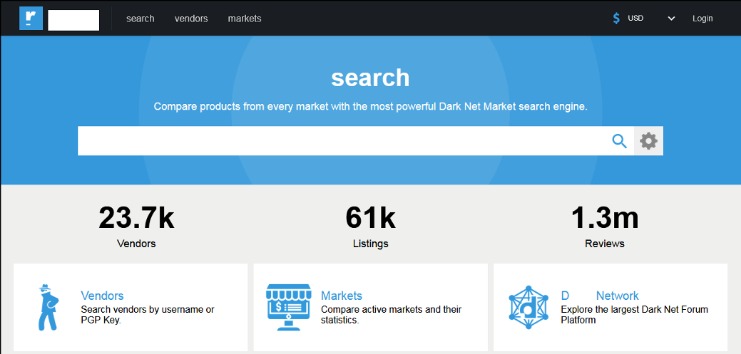
The Alphabay Market was built on the anonymity that the darknet provides, leveraging technologies like Tor to keep users masked from prying eyes. Merchants and buyers could engage in transactions with relative safety, relying on a feedback system similar to those on mainstream e-commerce sites to establish trust. This created a vibrant community of users who engaged in a range of activities, both legal and illegal.
Goods and Services Available
What set the Alphabay Market apart was the diversity of products it offered. Users could find anything from drugs and hacking services to stolen credit cards and fake identification. The marketplace served as a one-stop shop for those looking to bypass legal boundaries. Additionally, the presence of escrow services added a layer of security, holding funds until both parties confirmed satisfaction with the transaction.
Security and Anonymity
The emphasis on security was a key feature of the Alphabay Market. Users took various precautions to protect their identities, using cryptocurrencies like Bitcoin for transactions and adopting strict operational security practices. This contributed to a false sense of invincibility among users, many of whom believed they could engage in illegal activities without facing consequences. However, law enforcement was continually developing tactics to infiltrate these spaces, leading to the eventual takedown of the marketplace.
The Takedown and Aftermath
In July 2017, the Alphabay Market was seized by the FBI, marking a significant win for law enforcement agencies. The shutdown had a ripple effect across the darknet, causing many users to seek alternative platforms. The absence of Alphabay Market demonstrated the fragility of these online ecosystems, where one significant action could dismantle an entire marketplace. In the wake of its closure, other darknet markets attempted to fill the void, but few could replicate the scale and sophistication achieved by Alphabay.
Legacy of Alphabay Market
The legacy of the Alphabay Market continues to influence the darknet today. It has become a case study for law enforcement and cybersecurity officials seeking to understand the dynamics of online crime. Additionally, its rise and fall serve as a cautionary tale for users who may underestimate the risks of engaging in illegal online activities. Many still point to Alphabay as a benchmark against which all other darknet markets are measured.
In conclusion, while the Alphabay Market may have been shut down, its impact on the darknet marketplace landscape is undeniable. The lessons learned from its operation and eventual demise continue to resonate in discussions about online security, anonymity, and the ongoing struggle between law enforcement and illicit online trade.