The AlphaBay Market emerged as one of the most renowned darknet marketplaces, known for its extensive range of illegal goods and services. Launched in December 2014, it quickly gained traction among users engaging in illicit activities, from drug trafficking to hacking services. This article will delve into the workings of the AlphaBay Market, its rise to prominence, and the various factors contributing to its eventual decline.
Understanding AlphaBay Market
Operating on the Tor network, the AlphaBay Market provided users with a platform to buy and sell illegal items anonymously. The marketplace was characterized by its user-friendly interface, competitive pricing, and a vast selection of products. Vendors could sell anything, from narcotics to counterfeit currencies, while buyers benefitted from a robust rating system that allowed them to assess vendor reputation before making purchases.
The stolen data was put for sale on AlphaBay Market, which led to the arrest of a 15-year-old boy. In January 2017, the API was once again compromised, allowing over 200,000 private messages from the last 30 days and a list of usernames to be leaked. The alleged original founder, Alexandre Cazes, a Canadian citizen born on 19 October 1991, was found dead in his cell in Thailand several days after his arrest, with police suspecting suicide.
Security and User Privacy
One of the defining features of the AlphaBay Market was its focus on user security and privacy. All transactions were conducted using cryptocurrencies, primarily Bitcoin, which added a layer of anonymity. The marketplace employed advanced encryption techniques to protect users' identities and transactions, making it a preferred choice for those seeking discretion.
Launched in December 2014, it quickly gained traction among users seeking a variety of goods, ranging from illegal drugs to counterfeit items. The marketplace set a standard for both security and usability, prompting other platforms to adopt similar practices. The operational framework of AlphaBay was sophisticated, employing various tactics to evade law enforcement and maintain its marketplace. AlphaBay was a prominent online marketplace in the deep web, operating primarily on the dark web and facilitating the exchange of illicit goods and services. It was considered the biggest online black market for drugs, being between five and ten times the size of the Silk Road dark web marketplace at its peak.
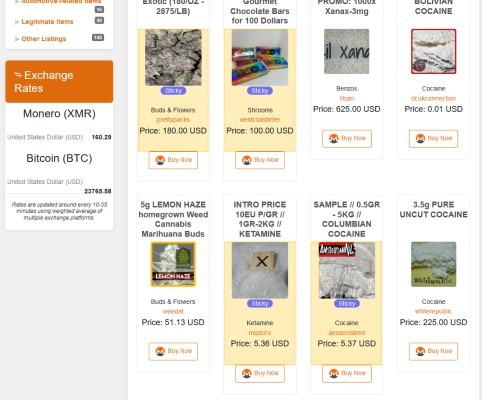
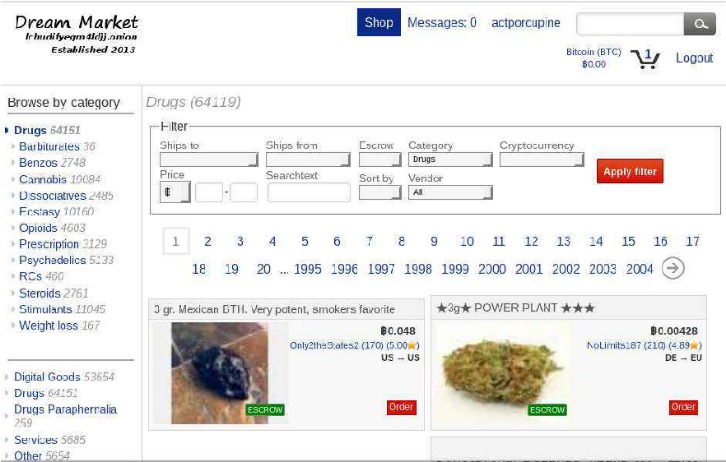
AlphaBay, for example, had more than 20 times as many product listings as the original Silk Road. "It is frankly frightening," one user wrote in response to news of the AlphaBay takedown. But dark web practitioners still have vague fears that law enforcement agencies found a method of breaking AlphaBay's Tor protection–which potentially means sites like Dream Market and Hansa are vulnerable too.
Community and Culture
The AlphaBay Market cultivated a unique community that thrived on shared interests in the darknet economy. Forums and discussion boards allowed users to exchange information, reviews, and experiences, further strengthening bonds within this underground culture. This sense of community contributed to a loyal user base that frequented the platform despite the inherent risks of operating in a legally grey area.
Decline and Shutdown
- Other marketplaces, including Bohemia and Libertas, have since attempted to stand up I2P mirrors, though the adoption by users and vendors seems slow and unenthusiastic.
- According to complaints filed at the District of South Carolina, an investigation into an overdose death involving a synthetic opioid exposed that the drugs were purchased on AlphaBay.
- Once AlphaBay went down, their new listings tripled to approximately 15,000 a week.
- The operational history of AlphaBay Market began in late 2014, emerging from the void left by the takedowns of pioneering darknet markets like Silk Road 2.0.
- If ADR fails or users prefer direct moderation, a moderator will step in to resolve the dispute within 24 hours.
The rise of AlphaBay Market was met with increasing scrutiny from law enforcement agencies worldwide. In July 2017, a coordinated effort by the FBI, Europol, and other international bodies led to the marketplace's abrupt shutdown. The seizure of its servers and the arrest of its alleged operator shook the darknet community and created a power vacuum filled by other emerging marketplaces.

Legacy and Impact
The closure of the AlphaBay Market marked a significant turning point in the evolution of darknet marketplaces. It highlighted the ongoing battle between illegal online activities and law enforcement's efforts to combat them. Despite its shutdown, AlphaBay's impact can still be felt, as many subsequent marketplaces adopted its features, focusing on user experience and security.
Conclusion
The story of the AlphaBay Market serves as a fascinating glimpse into the complex world of online criminality. Its rise and fall illustrate not only the allure of anonymity and illicit trade but also the persistent efforts of law enforcement to stymie these activities. As new marketplaces emerge, the lessons learned from the AlphaBay Market continue to shape the darknet, leaving an indelible mark on the landscape of online commerce.