When we browse the hidden web, the exit node can still reveal our IP to the target site. Use the “Directory” section to find niche offerings. Bookmark your favorites for quick access. If you spot shady content, report it via the built‑in form.
The dark web represents a hidden part of the internet that is not indexed by standard search engines like Google or Bing. It requires specific software, configurations, or authorization to access. At the heart of this clandestine realm is the .onion domain, which serves as a gateway to numerous anonymous sites. This article delves into the complexities of the dark web.onion landscape, exploring both its allure and its potential dangers.
- These onion addresses will remain online even if the original page disappears.
- Organizations should continue to monitor for any changes, but the current assessment is that 0APT poses minimal real risk.
- That may seem an extreme way to browse the web, but such protections are increasingly worth considering, says Sarah Jamie Lewis, executive director of the Open Privacy Research Society.
- We recommend you only visit safe dark web links to explore such as The CIA, Facebook, DuckDuckGo, and Torch.
- Torch is one of the more established dark web search engines, designed to help users navigate the Tor network and discover onion sites.
Dark Web.onion
Accessing .onion websites typically requires a browser designed for anonymity, such as Tor (The Onion Router). The name “onion” comes from the multiple layers of encryption used to protect users' identities while they browse. For many, the dark web.onion is synonymous with privacy and freedom of expression, especially in oppressive regimes where censorship is prevalent.
What Can You Find on the Dark Web.onion?
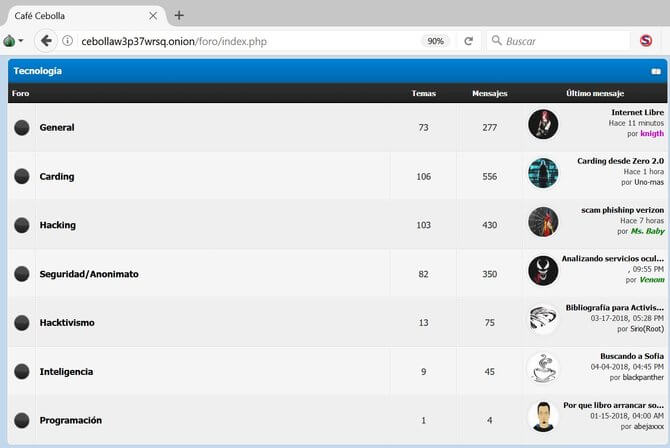
The dark web.onion hosts a variety of content, ranging from legal and legitimate sites to illegal and unethical ones. On one hand, it can serve as a platform for whistleblowers and activists to share information securely. On the other hand, it is infamous for facilitating illicit activities such as drug trafficking, arms sales, and hacking services.
Risks Involved with Dark Web.onion Access
Navigating the dark web.onion poses significant risks. Users may unwittingly expose themselves to scams, malware, or even law enforcement. The anonymity provided by onion routing is a double-edged sword; while it ensures privacy, it also enables criminal enterprise. In addition, accessing illegal content, even inadvertently, can have serious ramifications.
How to Browse Safely on the Dark Web.onion
If one chooses to explore the dark web.onion, certain precautions are advised. Using a VPN in conjunction with the Tor browser can further enhance anonymity. Additionally, keeping personal information private and avoiding any transactions with unknown sites is crucial. Users should always stay informed about potential threats and ensure their cybersecurity measures are robust.
The Future of Dark Web.onion Sites
The dark web.onion continues to evolve, reflecting changes in technology and society. As surveillance and digital tracking increase, the demand for privacy-focused platforms may grow. Understanding the dark web.onion and its implications is vital for anyone navigating this murky territory, particularly as it remains an integral part of discussions around internet freedom and security.
In conclusion, while the dark web.onion offers valuable tools for privacy and free expression, it also presents significant dangers that cannot be overlooked. Caution, awareness, and responsibility are essential for anyone who ventures into this hidden aspect of the internet.