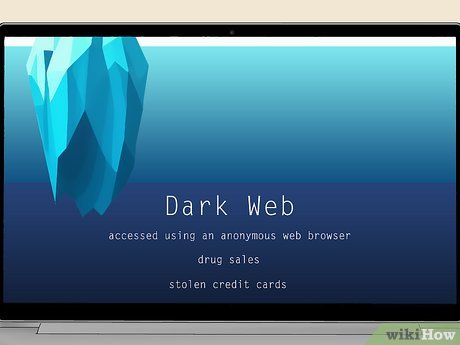
In fact, millions of people navigate the dark web daily for legitimate reasons. The dark web might sound like a mysterious part of the internet, and in many ways, it is. Many headlines tie the dark web to child pornography with headlines such as, "N.J. man charged with surfing 'Dark Web' to collect nearly 3K images of child porn", along with other illegal activities where news outlets describe it as "a hub for black markets that sell or distribute drugs".
The dark web is a part of the internet that is not indexed by traditional search engines, providing anonymity and privacy to its users. While often associated with illegal activities, it serves various purposes, including political activism, privacy protection, and the sharing of information that may be censored elsewhere. Understanding how to browse the dark web safely and responsibly is crucial for those intrigued by its hidden corners.
Believe it or not, the dark web even has online shops. You should stay away from everything labeled “porn”, “card skimming services”, “PayPal hacks”, “firearms”, “real fake IDs and passports”. What happens after that, it’s all to you.
Browsing The Dark Web
- There is no reliable method of removing your data from the Dark Web.
- Darren is regularly featured as a cyber-security expert in major media outlets including CBS Evening News, Fox & Friends, USA Today, ABC and Mashable.
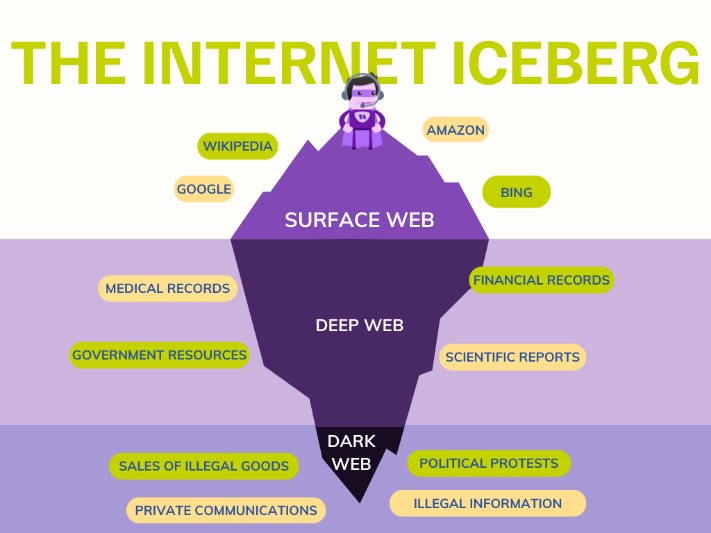
- The biggest differentiator between the deep and dark web is that dark web activity is made anonymous through a variety of encryption and routing techniques.
- The Tor Browser provides anonymity and privacy by routing your internet connection through a network of volunteer-operated servers around the world.
To begin browsing the dark web, a few essential tools and precautions are necessary. Here’s a concise guide:
Essential Tools for Browsing
- Tor Browser: This software allows users to access hidden sites with the .onion domain. It routes your connection through multiple servers, making it difficult to trace.
- VPN (Virtual Private Network): Using a VPN adds an extra layer of security by masking your IP address, ensuring anonymity.
- Secure Operating Systems: Consider using security-focused operating systems like Tails, which can be booted from a USB stick.
Safety Precautions
- Never share personal information, including your real name or address.
- Avoid downloading files from unknown sources as it may result in malware.
- Be cautious about engaging in transactions or discussions—many forums can lead to illegal activities.
- Frequent your security settings and ensure your software is always up to date.
Common Myths About the Dark Web
There are numerous misconceptions regarding browsing the dark web. Here are some clarifications:
- Myth: The dark web is solely for criminal activities.
- Fact: Many use it for privacy, accessing restricted information, and whistleblowing.
- Myth: You need special skills to access the dark web.
- Fact: Basic knowledge of tools like Tor suffices for most users.
- Myth: The dark web is dangerous.
- Fact: While risks exist, many users navigate it safely with proper precautions.
Frequently Asked Questions
Here are some common questions about browsing the dark web:
- Besides, your online activity on such browsers is visible to your ISP unless you connect to a VPN service.
- Essentially, the Dark Web uses a cluster of nodes and networks called “darknets.” These include — but aren’t limited to — peer-to-peer networks — small and big — including Tor and Freenet.
- Any online activity can carry breadcrumbs to your identity if someone digs far enough.
- The Onion Router (hence the Tor acronym) uses three layers of encryption and a specific internet traffic routing mechanism to ensure complete anonymity.
1. Is it illegal to browse the dark web?
Browsing the dark web itself is not illegal. However, engaging in illicit activities can lead to legal consequences.
2. What can you find on the dark web?
Information ranging from whistleblower sites, forums on various topics, to illicit goods. However, caution is advised regarding what you engage with.
3. Can the dark web be used for positive purposes?
Yes, many use it for activism, journalism, and to avoid censorship in countries with strict regulations on the internet.
Conclusion
While the dark web can be a fascinating realm filled with information and opportunities for anonymity, browsing the dark web requires caution and respect for the law. Understanding the tools, tools, and risks involved can lead to a responsible and enlightening experience for those willing to take the plunge.