The dark web is a hidden part of the internet that requires specific software for access. It is home to various sites that operate anonymously, making it popular for both legal and illegal activities. For those who wish to browse this enigmatic segment of the web, one needs to utilize a specific browser for dark web that ensures privacy and security. This article will explore the best options available for navigating the dark web safely and effectively.
- This is where all the cat videos and trending YouTube songs live, easy to find and access.
- Some tools offer simple protection for everyday browsing, while others are designed for high-risk environments where even small mistakes matter.
- The last node (exit node), through which Tor routes your traffic, is delicate.
- Its multi-layered encryption is a cornerstone of anonymous browsing on the dark web.
- But users should always be cautious and avoid clicking unfamiliar or untrusted links to steer clear of scams or malware.
- For example, in Safer mode, JavaScript is turned off on non-HTTPS (insecure) sites, but in Safest mode, JavaScript is turned off entirely for all sites.
The place is as messy and chaotic as you would expect when everyone is anonymous, and a substantial minority are out to scam others. These attacks often include stealing victims’ data and threatening to release it on the dark web if the ransom isn’t paid. No one really knows the size of the dark web, but most estimates put it at around 5% of the total internet. Estimates place the size of the deep web at between 96% and 99% of the internet. It also includes any content that its owners have blocked web crawlers from indexing. Deep web content includes anything behind a paywall or requires sign-in credentials.
Though Tor is slower, the process of rerouting data through nodes makes it more difficult to trace your activity back to you. In addition, Tor and VPNs take different approaches to rerouting data. A key difference between Tor and a VPN is that a VPN’s network is operated by a central service provider, while the Tor network is decentralized and run by volunteers. Using a proxy server in combination with Tor Browser can help to hide the fact that you’ve connected to the dark web, but it won’t confer any additional cybersecurity benefits.
Browser For Dark Web
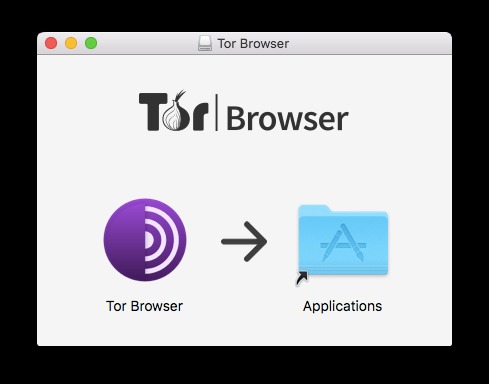
Browsing the dark web necessitates specialized browsers, the most prominent of which is the Tor Browser. Below are some popular choices:
1. Tor Browser
The most widely used browser for dark web access, Tor relies on a network of volunteer-run servers to anonymize user activity.
- Encryption: It encrypts your data multiple times, making it secure.
- Anonymity: Masks your IP address, ensuring privacy.
- Access: Allows access to .onion sites that are not available on the surface web.
2. I2P (Invisible Internet Project)
I2P is another potent browser for dark web surfing.
- Peer-to-peer: Emphasizes decentralization through its network.
- Privacy focused: Designed for anonymity in both browsing and communicating.
- Internal sites: Access to sites specifically hosted within the I2P network.
3. Freenet
Freenet is a decentralized network that uses a different approach for anonymity and data sharing.
- Distributed: Data is stored across multiple nodes, enhancing security.
- Content hosting: Users can publish content without fear of censorship.
- Access: Only accessible via the Freenet client.
How to Use a Browser for Dark Web
Using a browser for dark web requires understanding certain practices to ensure safety:
- Download and Install: Always download the dark web browser from official sources to avoid malicious software.
- Enable Security Features: Customize security settings for maximum protection.
- Avoid Personal Information: Never share personally identifiable information while browsing.
- Use VPN: Consider using a Virtual Private Network (VPN) for an extra layer of privacy.
FAQs about Browser for Dark Web
What is the dark web?
The dark web is a part of the internet that cannot be indexed by traditional search engines and requires specific browsers like Tor for access.
Is it safe to browse the dark web?
While anonymity is enhanced, caution is necessary. It is advisable to follow recommended safety measures when using a browser for dark web browsing.
Can I access the dark web on standard browsers?
No, standard browsers do not support dark web activities as they cannot access .onion or other unique domains.
In conclusion, choosing the right browser for dark web is crucial for ensuring privacy and security while exploring this hidden segment of the internet. With the right tools and practices, users can navigate the dark web safely. Always remain vigilant about the potential risks involved and stay informed about best practices for dark web browsing.