The dark net has emerged as a complex underworld of the internet where illegal transactions take place, often in the shadows. With the rise of cryptocurrencies and various privacy-focused technologies, dark net markets have thrived, allowing users to buy and sell illegal goods and services anonymously. These markets operate differently from the conventional web and come with their own set of challenges and risks.
Dark Net Markets
- In 2024, multiple reports cited Abacus as holding a substantial share of Bitcoin-enabled activity on Western darknet marketplaces, often described at ~70% in that segment.
- These entities include a broad range of threat categories, such as fraud schemes, sanctioned actors, terrorist organizations, and darknet marketplaces.
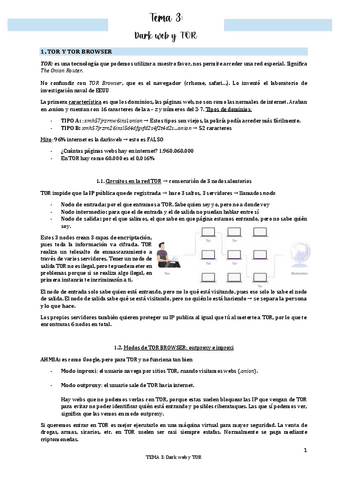
- Deep web sites can be accessed by a direct URL or IP address, but may require entering a password or other security information to access actual content.
- The project’s marketing leans heavily on “security/education” messaging, aligning with its privacy‑coin‑only stance.
- Monitoring dark web markets is crucial, no matter if you are a business or an individual, as you can then proactively identify and mitigate potential breaches and cyber threats.
- Law enforcement agencies monitor it for criminal activities, but legitimate users rely on it for privacy protection.
Dark net markets are platforms that facilitate the exchange of illicit products such as drugs, weapons, stolen data, and counterfeit goods. They represent a significant portion of the dark web and are accessible only through specialized software, most commonly Tor. Here are some key features of dark net markets:
In October 2013, Project Black Flag closed and stole their users' bitcoins in the panic shortly after Silk Road's shut down. Atlantis, the first site to accept Litecoin as well as Bitcoin, closed in September 2013, just prior to the Silk Road raid, leaving users just one week to withdraw any coins. The first marketplace to use both Tor and Bitcoin escrow was Silk Road, founded by Ross Ulbricht under pseudonym "Dread Pirate Roberts" in February 2011. With the development and popularization of the World Wide Web and e-commerce in the 1990s, the tools to discuss or conduct illicit transactions became more widely available. A darknet market is a commercial website on the dark web that operates via darknets such as Tor and I2P.
Dark web marketplaces change frequently because they operate under constant pressure from law enforcement, internal fraud, and technical weaknesses. While law enforcement regularly shuts down illegal marketplaces, the underlying infrastructure remains functional. You can find drugs, weapons, stolen data, and counterfeit documents on these marketplaces. Dark markets are online platforms on the darknet where illegal goods and services are traded. Dark markets continually adapt and evolve to stay ahead of law enforcement and security measures. Investigators traced cryptocurrency transactions through Incognito Market’s internal payment system, analyzed on-chain fund flows, and correlated them with off-chain activity, infrastructure, and operational behavior linked to Lin.
- Anonymity: Users can browse and transact without revealing their identity.
- Cryptocurrency transactions: These markets primarily use cryptocurrencies to enhance privacy.
- Escrow services: Transactions are often secured through escrow systems to protect both buyers and sellers.
- User reviews and ratings: Like typical e-commerce sites, buyers can leave feedback about sellers.
How Dark Net Markets Operate
Dark net markets typically function in stages:
- Access: Users need specific software like Tor to access these markets.
- Registration: Most markets require users to create an account using pseudonyms.
- Browsing: Once logged in, users can browse listings categorized by product types.
- Transaction: After selecting a product, users engage in a transaction using cryptocurrency.
Risks Involved
Engaging in dark net markets poses various risks, including:
- Legal consequences: Purchasing illegal goods can lead to severe legal ramifications.
- Fraud: The risk of scams is high; users often get products that differ from descriptions.
- Security threats: Users risk exposure to malware and hacking attempts.
FAQs about Dark Net Markets
What can you buy on dark net markets?
A variety of items including drugs, weapons, hacking tools, counterfeit items, and stolen data.
Are dark net markets safe?
While they offer anonymity, they are fraught with risks, including scams and legal issues.
How do people find dark net markets?

Various forums and repositories can provide links, but they frequently change to avoid law enforcement.
What’s the future of dark net markets?
As law enforcement increases efforts to shut them down, these markets may evolve, becoming more decentralized and harder to track.
In conclusion, dark net markets have ingrained themselves into the fabric of the online world, presenting a paradox of anonymity and risk. While they offer users the allure of hidden transactions, engaging in such activities can lead to severe consequences and should be approached with caution.