Bitcoin, the pioneering cryptocurrency, has fundamentally altered perceptions of money and transactions. While it offers many legitimate uses, including investment and remittances, it has also become a tool for illicit activities, particularly in the creation of a vibrant Bitcoin black market. This hidden economy harnesses the benefits of cryptocurrency's anonymity and decentralization, attracting those seeking to evade traditional financial regulations and law enforcement.
Bitcoin Black Market
The Bitcoin black market thrives on platforms that provide users anonymity, allowing them to engage in the trade of goods and services that are often illegal. These platforms, sometimes referred to as darknet markets, facilitate transactions that range from drug sales to weapons trading, often using Bitcoin due to its pseudonymous nature.
The Appeal of Bitcoin in the Black Market
Those were "certainly painful" closes, he said on X, adding that the remaining portion of the $900 in premiums comprised mostly smaller trades, which is pretty standard for the hectic trading day. The fund also desperately replaced expiring calls or closed loss-making calls, resulting in a record $900 million in total premium payments. On Thursday, as IBIT crashed, these calls tanked in value and brokers hit the fund with margin calls demanding cash/collateral. Parker's post alleges that this fund initially bought cheap "out of the money" call options on IBIT following the October crash, anticipating a quick recovery and bigger rally. Funds often focus on just one asset, avoiding spreading out risk exposure elsewhere.
The primary allure of Bitcoin for those operating within the Bitcoin black market is the level of privacy it affords. By using wallet addresses instead of personal information, users can conduct transactions without directly revealing their identities. This feature has established Bitcoin as a favored currency among individuals aiming to mask their illicit activities.
Darknet Markets and Their Operations
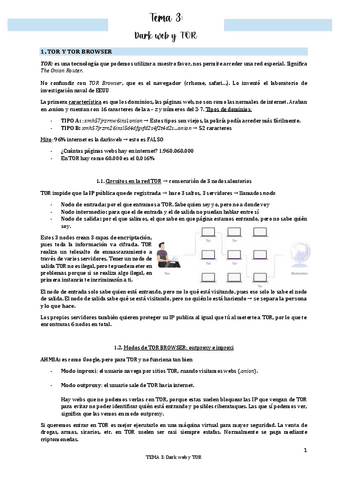
Darknet marketplaces, such as Silk Road in its heyday, utilize Bitcoin as their primary currency. These sites enable vendors and buyers to interact in a largely unregulated environment, often requiring users to access them through specialized software like Tor. The Bitcoin black market operates on trust and reputation; users rely on reviews and ratings to gauge the credibility of sellers.
Challenges and Law Enforcement Efforts
As the Bitcoin black market continues to evolve, so too do the efforts of law enforcement to combat it. Agencies worldwide have started to recognize the implications of using Bitcoin for illegal activities. Hefty resources are being allocated for cybersecurity, blockchain analysis, and international cooperation to track transactions and apprehend criminals.
The Future of Bitcoin in the Black Market
- After being down about 30% this year, the price moved back above $70,000 on Friday, rising by more than 7%.
- Silver fell more than 18%, and MSTR stock declined as bearish sentiment spread.
- BlockNews is your premier source for real-time cryptocurrency, blockchain, political and financial market news.
- Purchase in over 160+ countries worldwide and enjoy high spending limits that surpass any other crypto cards on the market.
- In accordance with sector reports1,4,8,9,10, we measure the dominance in terms of revenue in USD, i.e., the dominant market is the market with the largest revenue, as shown in Fig.
Despite ongoing crackdowns, the resilience of the Bitcoin black market persists. As new technologies develop and privacy coins emerge, the landscape may shift, but the fundamental aspects that make Bitcoin attractive for illicit trade will likely remain. Users constantly seek ways to enhance privacy and security, ensuring that the black market continues to adapt.
- A new filing shows how the firm plans to turn Bitcoin’s price swings into regular payouts.
- We find that the dominance of markets is reflected in trading properties of buyers and sellers.
- Potentially offering greater financial autonomy
- Achieving such exceptional returns involves the risk of volatility and investors should not expect that such results will be repeated.
- After the shutdown of Silk Road, in the last quarter of 2013, the ecosystem evolves to a structure where several markets coexist.
Conclusion
The Bitcoin black market poses significant challenges for regulatory bodies and law enforcement agencies due to its decentralized and largely anonymous nature. While it demonstrates the innovative applications of blockchain technology, it also highlights the darker side of cryptocurrency, where illicit trade can flourish. As the digital economy continues to evolve, understanding these dynamics is crucial for addressing the issues surrounding Bitcoin's use in the black market.