Channel mixes include specialized distributors, national retailers, and public procurement in certain verticals. Multi-country market entry requires careful localization (languages, standards, VAT/tax regimes). Demand is driven by strong purchasing power, early adoption of new technologies/products, and high B2B/B2C digitalization.
The dark web market is a complex and often misunderstood realm of the internet where anonymity thrives and illicit trades flourish. Hidden beneath the surface of the mainstream web, these marketplaces operate using specialized software, most commonly TOR, to ensure user privacy and protect identities. As the landscape of online commerce evolves, the dark web market has gained notoriety for facilitating the exchange of illegal goods and services, from drugs and weapons to stolen data and hacking services. This article delves into the structure, operation, and implications of these enigmatic marketplaces.
What is the Dark Web?
The dark web is a small subset of the deep web, which encompasses all parts of the internet not indexed by traditional search engines. To access the dark web market, users typically rely on technologies that anonymize their identity and location, allowing them to browse unmonitored. This layer of the internet has garnered a reputation for harboring nefarious activities, yet it also serves as a platform for free speech, especially in oppressive regimes.
How Dark Web Markets Operate
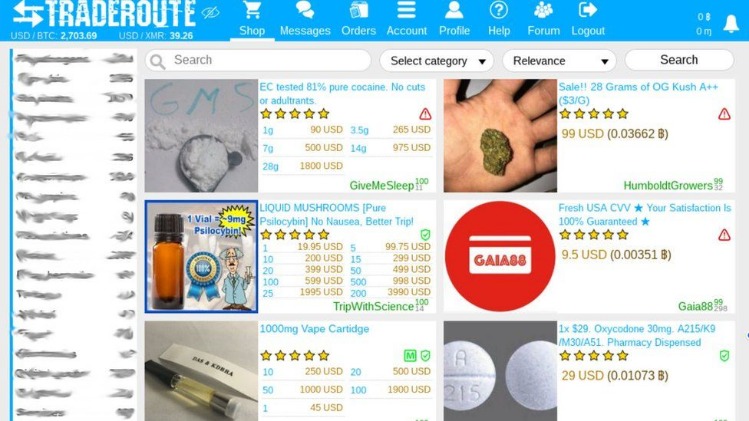
Dark web markets typically function like any other ecommerce platform. Users can create accounts, browse listings, and make purchases using cryptocurrencies, which add an extra layer of anonymity. Most marketplaces have a feedback system akin to eBay, allowing buyers to rate sellers based on their experiences. A notable characteristic of these markets is their ephemeral nature; many are frequently taken down by law enforcement or cease operations voluntarily, leading to constant evolution within the dark web market.
Common Products and Services
Within the dark web market, a disturbing variety of products and services are available. Common offerings include:
- Drugs: A vast array of illegal substances can be purchased, ranging from cannabis to harder narcotics.
- Weapons: Firearms and explosives, as well as the tools needed for their manufacturing, are frequently traded.
- Stolen Data: Personal information, credit card details, and login credentials are sold in bulk.
- Hacking Services: From DDoS attacks to personal data breaches, numerous hacker-for-hire services exist.
Legal and Ethical Implications
The existence of the dark web market raises significant legal and ethical questions. Law enforcement agencies worldwide grapple with monitoring and regulating these platforms. While the proliferation of illegal content poses a threat, some argue that the dark web also facilitates activism and serves those seeking refuge from persecution. Balancing regulation with the preservation of privacy rights remains a critical challenge.
Future Trends
- In March 2015, the Evolution marketplace performed an "exit scam", stealing escrowed bitcoins worth $12 million, half of the ecosystem's listing market share at that time.
- In sum, TorZon’s catalog is broad and deep making it a strong contender for anyone seeking one marketplace to handle multiple criminal shopping needs.
- It’s now commonly monitored by threat intel firms as one of the big fish.
- The dark web monitoring service market involves the provision of services to monitor and protect businesses from threats on the dark web.
- Therefore, you must know how to access dark web marketplaces safely (covered later in this article).
The future of the dark web market appears uncertain. As authorities enhance their capabilities to take down these marketplaces, new platforms will likely emerge, incorporating advanced security measures. Additionally, technological advancements in cryptocurrency could further refine transaction anonymity, making it even more challenging to trace illegal activities.
In conclusion, the dark web market remains a multifaceted environment that encapsulates both the potential for harm and the capacity for free expression. As society grapples with the implications of this hidden layer of the internet, ongoing discussions about legality, ethics, and regulation will continue to evolve, shaping the future of online interactions.